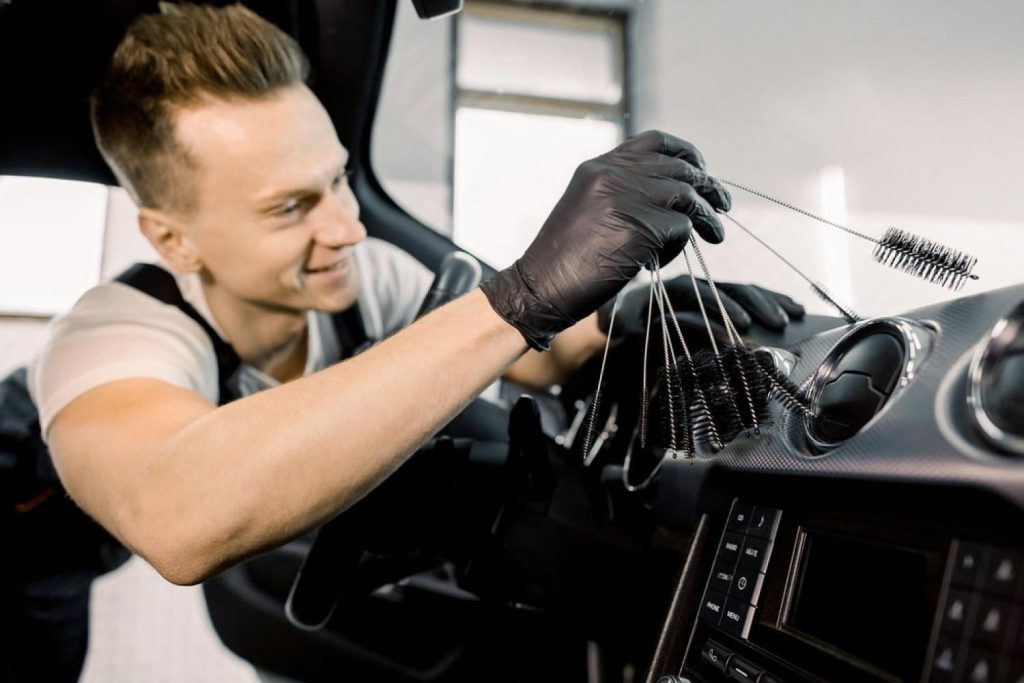
Why Regular Car Maintenance Saves You Money in the UAE
Vehicle care in the UAE
Small habits today, big savings tomorrow
Between the desert dust, sudden humidity spikes near the coast, and long summers where cabin temperatures push past 70°C, cars in the UAE age faster than almost anywhere else. Regular maintenance isn’t a luxury here, it is the single cheapest way to protect the value of your vehicle.
Why it matters
The real cost of neglect
If you skip washes for a month in Dubai or Abu Dhabi, fine sand doesn’t just sit on the paint. It bonds with morning dew, bakes under the afternoon sun, and etches into the clear coat. Once corrosion starts under a stain, no amount of polishing brings the panel back without professional bodywork.
The interior tells the same story. Plastic trim scratches deeper every time you wipe grit across it with a dry cloth. Fabric seats absorb spilled coffee and karak within seconds, and old stains are far harder to lift than fresh ones. Leather dries out and cracks in the heat if it isn’t conditioned. According to the general principles of car detailing most cosmetic damage compounds over time, meaning the earlier you address it, the cheaper it stays.
When to clean, and what to expect
Every week or two
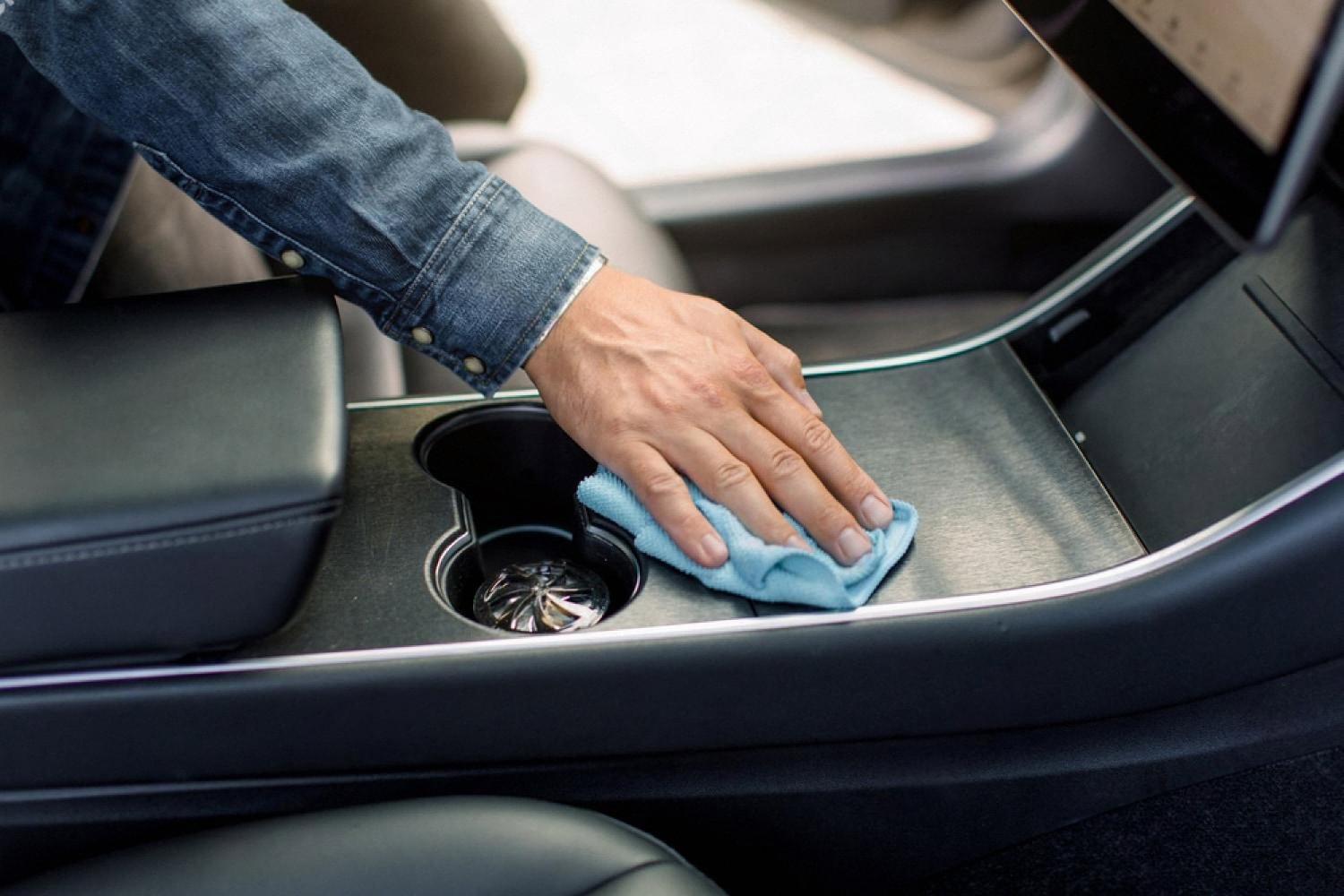
A proper exterior wash with pH-balanced shampoo, a quick vacuum inside, and a wipe-down of the steering wheel and shifter. These are the parts your hands touch daily, and they collect oil and dust the fastest.
Every month
Treat plastic trim with a UV-protective dressing, clean the glass properly, and check floor mats for embedded sand. Fabric seats benefit from a light upholstery cleaner before stains have time to set.
Every 3 to 6 months
Full professional detail: paint decontamination, wax or ceramic top-up, leather conditioning, and deep interior extraction. This is where a workshop earns its money.
A simple maintenance routine that pays for itself
- Rinse first, never wipe dry sand. Always flood the panels with water before touching them. Dragging a dusty cloth across dry paint is the fastest way to create swirl marks.
- Use the two-bucket method. One bucket for clean soapy water, one to rinse the mitt. It sounds fussy, but it keeps grit out of your wash and off your clear coat.
- Dry with microfibre, not chamois. A large plush microfibre towel lifts water without dragging particles. Chamois can trap sand and scratch.
- Vacuum before you wipe. Loose sand on the dashboard becomes sandpaper the moment you press a cloth onto it.
- Treat plastics with polish, not just water. A dedicated interior dressing feeds the plastic and slows UV fading. Water alone leaves streaks and does nothing for protection.
- Attack stains the same day. Fresh karak, dates, or ice cream come out with a warm damp cloth in minutes. A week later, you need enzyme cleaner and a brush.
- Book a professional detail twice a year. Even careful owners miss things a machine polisher, extractor, and trained eye will catch.
DIY vs professional
Where your dirhams go furthest
Home cleaning is fine for weekly upkeep, but the tools matter. Consumer-grade sprays leave residue, cheap sponges hold grit, and household vacuums don’t reach seat crevices. Professional workshops use hot-water extractors, steam, foam cannons, and coatings that simply aren’t available on supermarket shelves.
If your car is a lease return, a resale candidate, or a family SUV that takes daily punishment from kids and long commutes, booking proper car detailing services once or twice a year is money well spent. The difference in resale value between a well-maintained car and a neglected one of the same age often runs into thousands of dirhams.
DIY care vs professional detailing: a quick comparison
| Task | Do it yourself | Professional workshop |
|---|---|---|
| Exterior wash | Weekly, good enough with proper products | Better for tar, bug residue, or after a sandstorm |
| Interior vacuum & wipe | Weekly touch-up | Full extraction lifts embedded dust and odours |
| Fabric & leather care | Spot cleaning fresh stains | Deep clean, conditioning, and re-dyeing worn areas |
| Paint correction | Not recommended without training | Machine polishing removes swirls and light scratches |
| Ceramic or wax coating | Basic spray waxes give a few weeks of protection | Professional coatings last 1 to 5 years |
A well-kept car isn’t only about looks. It is about avoiding the compounding bill you get when problems are ignored: a cracked dashboard that costs thousands to replace, a torn seat that needs re-upholstery, or a corroded panel that needs paintwork.
Fifteen minutes of care a week, plus a proper detail twice a year, is what separates a five-year-old car that still feels new from one that looks a decade older than it is.
Frequently asked questions
How often should I wash my car in the UAE?
For most drivers in Dubai, Abu Dhabi, or Sharjah, a proper wash every one to two weeks is the right rhythm. If you park outdoors, live near the coast where humidity is high, or have just been through a sandstorm, wash sooner. Dust and salt left on paint for long stretches cause the most cosmetic damage.
Is professional detailing worth the money compared to a regular car wash?
Yes, but not every week. A basic car wash keeps the exterior presentable. A full detail, done two to four times a year, protects the paint with sealants or ceramic coatings, deep-cleans upholstery, and conditions leather and plastic. That protection is what preserves resale value.
Think of it as the difference between brushing your teeth and going to the dentist. Both are necessary, and neither replaces the other.
Can I clean the leather and plastic myself without damaging them?
You can, as long as you use products designed for automotive interiors. Household cleaners often contain alcohol or ammonia that dry out leather and haze plastic. Use a dedicated leather conditioner, a UV-protective plastic dressing, and always apply with a microfibre cloth, never a rough sponge.
What happens if I let stains sit on the seats for weeks?
Fresh spills lift out in minutes with warm water and a mild cleaner. Once a stain has dried and been sat on for days in the heat, it bonds with the fibres or leather grain. At that point, you usually need an enzyme cleaner, a soft brush, and sometimes steam extraction. Older stains may never come out fully, even at a workshop.
Does regular maintenance actually increase resale value?
Significantly. Buyers in the UAE second-hand market inspect interiors closely, and a car with cracked plastics, faded leather, or stained fabric can lose several thousand dirhams in perceived value compared to an identical model that was cared for. A documented history of professional details is also a strong trust signal for buyers.
How do I protect my car from the summer heat when it is parked outside?
Use a windshield sunshade every time you park, apply a UV-protective dressing to the dashboard monthly, and consider tinted windows within the legal limits. A quality ceramic coating on the paint also helps deflect UV and slows fading. If possible, park in shaded or covered areas during peak sun hours.